

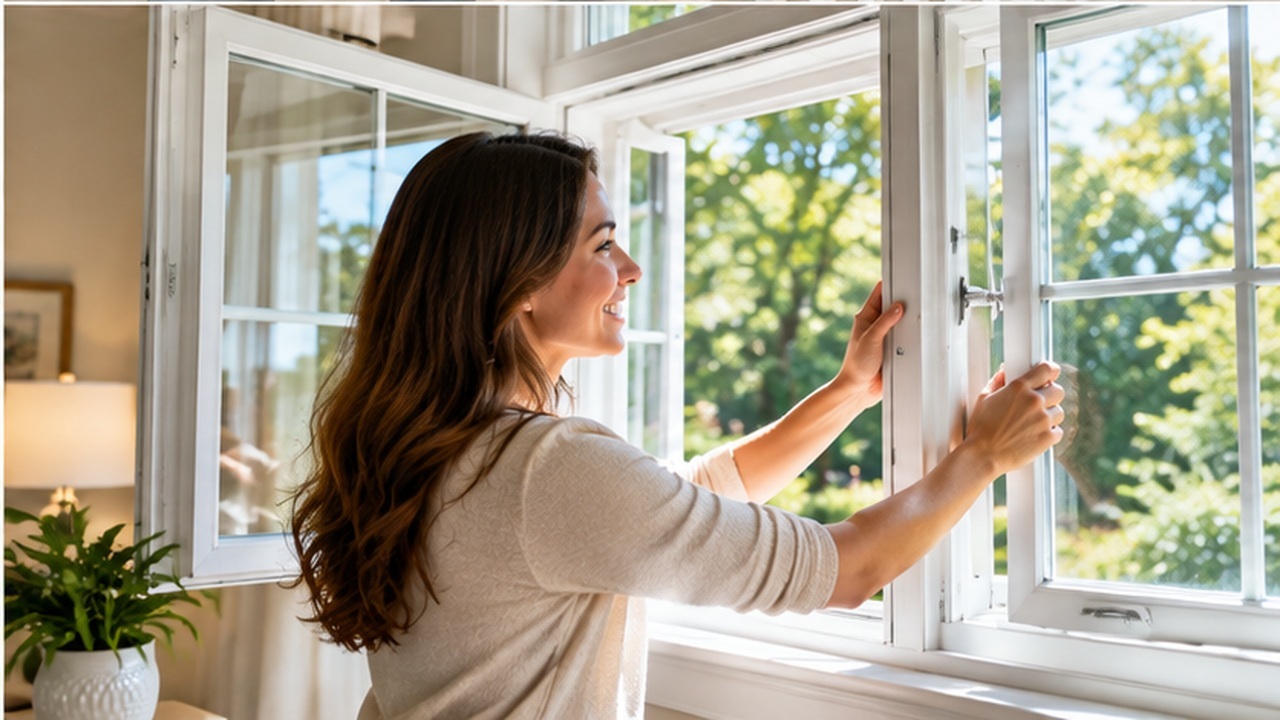
 Windows can make a home feel bright, spacious, and inviting. During a showing, buyers often admire the view or notice how much natural light enters a room. However, few people take the time to actually open the windows.
Testing how they operate can reveal practical details about ventilation, maintenance, accessibility, and everyday convenience that photographs cannot show.
Not Every Window Opens the Same Way
Homes can have several different window styles, including single-hung, double-hung, sliding, casement, and awning windows.
Each style operates differently, and some may be easier to use than others.
A window positioned above a kitchen sink might be difficult to reach, while a casement window may require enough clearance to swing outward.
Buyers should consider whether the window design works for the room and whether household members can operate it comfortably. A window that looks attractive may not be especially practical in daily use.
Check How Easily the Windows Move
When permitted during a showing, buyers can carefully test windows to see whether they open, close, and lock properly.
Windows that stick, slide unevenly, or require excessive force may need maintenance or repair.
Older windows may have painted tracks, worn hardware, or other conditions that make operation difficult.
Buyers should also check whether the window stays in its intended position after opening. A window that unexpectedly slides shut can be inconvenient and potentially hazardous.
Any concerns should be evaluated during the inspection process rather than assuming a simple adjustment will solve the problem.
Screens and Ventilation Matter
Opening a window is not always useful if the screen is missing or damaged. Screens help keep insects and debris outside while allowing fresh air into the home.
Buyers should look for torn screens, loose frames, or windows that have no screens at all. It is also worth considering how air might move through the house when multiple windows are open.
Rooms with windows on different sides may offer opportunities for cross-ventilation, depending on the home’s layout and outdoor conditions.
Look at the Space Around Each Window
Furniture placement can affect whether windows remain accessible. A large bed, dresser, or sofa might block the opening mechanism or make routine cleaning difficult.
Exterior obstacles can also matter. Landscaping, security bars, and nearby structures may interfere with certain window designs.
For bedrooms, buyers should pay particular attention to emergency escape and rescue openings and have an inspector evaluate applicable safety requirements.
Windows contribute to much more than a home’s appearance. Their operation affects comfort, maintenance, and how easily a household can use its living spaces.
Before purchasing a property, buyers should take a few minutes to examine the windows throughout the home. A simple opening test may uncover details that make a meaningful difference after moving in.
