

 Moving into a new home is exciting, especially when you cannot wait to make improvements that reflect your style and lifestyle. The challenge is knowing where to start. Many new homeowners feel overwhelmed by repairs, upgrades, and projects competing for attention.
Creating a one-year plan helps you stay organized, avoid overspending, and prioritize the changes that matter most. As real estate professionals, we guide buyers through this transition so they can protect their investment and enjoy their home from day one.
Start With a Full Walkthrough of the Home
Before making any upgrades, take time to walk through the home with a fresh perspective. Look for small issues that may not have seemed urgent during your purchase, such as loose fixtures, minor leaks, cracked tiles, or outdated outlets. Make note of everything, from major repairs to cosmetic projects. This creates a clear list of what needs attention and helps you understand the overall condition of the home now that you live in it daily.
Identify Immediate Safety and Maintenance Needs
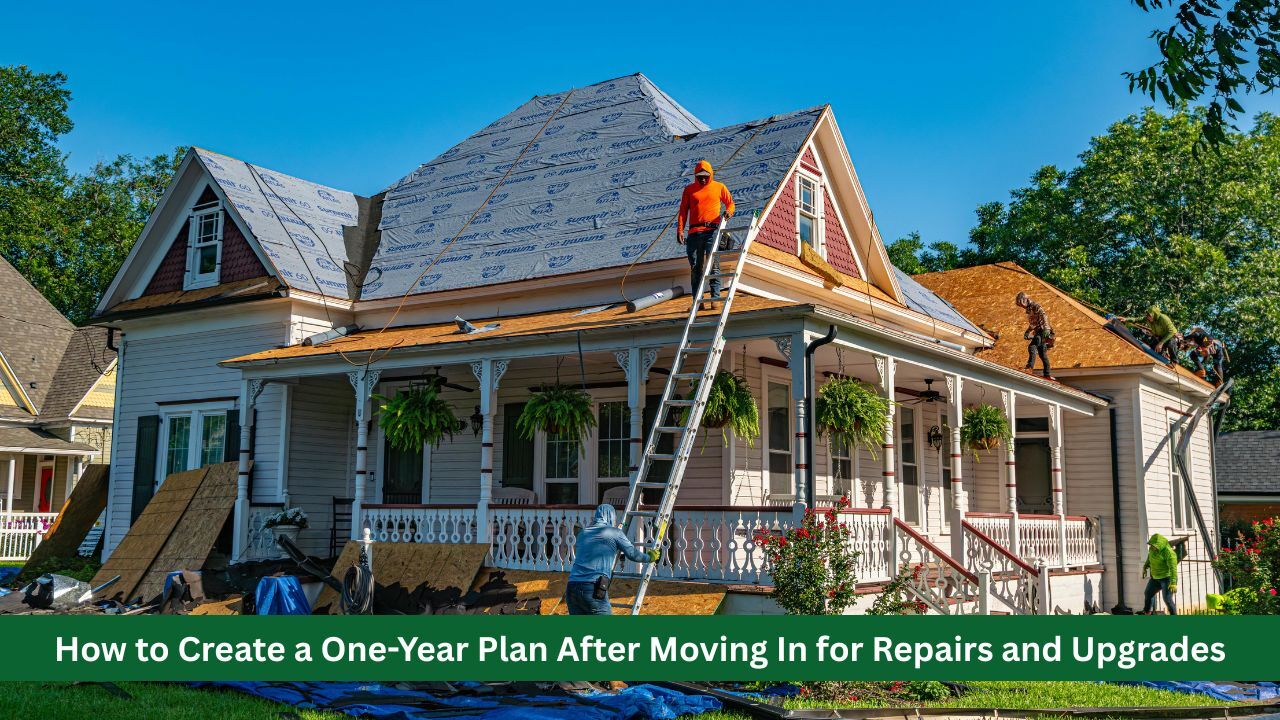
Some repairs should always come first. Electrical hazards, plumbing leaks, roof issues, and anything related to safety should be at the top of your one-year plan. These types of repairs protect your home and prevent more expensive problems down the road. Addressing maintenance early also helps you avoid emergency repairs, which tend to be costly and stressful.
Prioritize Projects That Improve Comfort
Once safety and maintenance items are handled, focus on upgrades that make your home more comfortable. This can include improving lighting, updating flooring, enhancing storage, or adjusting your HVAC system for better efficiency. These changes make your home more enjoyable and offer everyday benefits. It is easy to get distracted by big-picture projects, but comfort-focused upgrades often bring the most immediate satisfaction.
Build a Budget for Each Phase
A one-year plan works best when you break the year into phases. Start by assigning estimated costs to each repair or upgrade. Then create a realistic timeline that fits your budget. Some projects may need savings over several months, while others can be completed quickly and affordably. A clear plan helps you avoid taking on too many expenses at once and keeps your finances balanced throughout the year.
Save Cosmetic Enhancements for Later
Paint, décor, landscaping, and design details are the fun part of homeownership, and they can transform your space visually. However, they can often wait until core repairs and upgrades are finished. By saving cosmetic projects for later in your plan, you avoid redoing work, spending more than expected, or skipping essential repairs in favor of aesthetics.
Creating a one-year plan after moving in gives you direction, control, and confidence. Instead of rushing into projects, you move at a pace that supports your lifestyle and protects your investment. With a thoughtful approach and a clear timeline, your home becomes everything you envisioned and more.
